
Recipes From Fargo’s Nordic-Jewish Deli, BernBaum’s
Story by Tracy Nicholson
Restaurant Photos by Sarah Strong and Zach Davis
Event Photos by Studio Freshly
Once upon a tasty time in Fargo, ND, there was a deli unlike any other — where fresh- baked New York-style bagels cozied up to handcrafted matzo ball soup, rugelach, pönnukökur, vegan Reubens, and pickled everything.
Known as ‘Fargo’s original Nordic-Jewish deli,’ BernBaum’s built its own recipe for success from the family kitchens of its founders, Chef Andrea Baumgardner and her husband, Brett Bernath.
When the doors of this beloved downtown deli closed in late 2024, an entire community was left hungry for more. Now, just over a year later, Chef Andrea invites us back to the table, sharing nearly all the recipes that made BernBaum’s Fargo-famous.
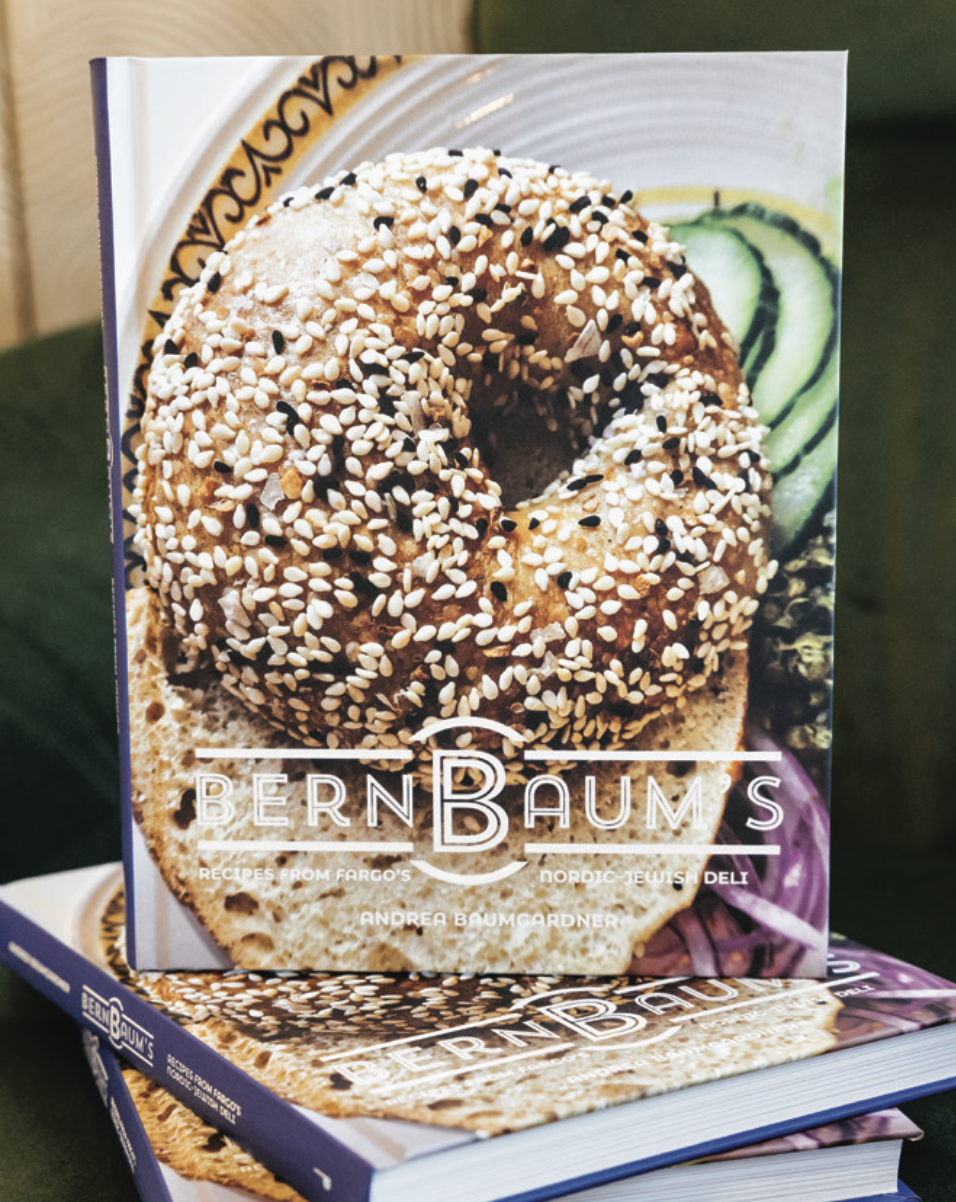
Grab your Ima’s apron and butter up your challah pan — BernBaum’s: Recipes from Fargo’s Nordic-Jewish Deli is a 289-page love letter feeding both heart and soul.
A Labor of Love
A little over a year after closing the doors of BernBaum’s, 90 boxes of cookbooks arrived in Fargo, just in time for the first book signing and pre-sale release at downtown’s Olive & Rust on November 15, 2025.
To celebrate, Andrea and a friend head into the kitchen to prepare 300 rugelach for the event.
““We made all the dough in the morning, then rolled out the rounds and made all the fillings. Then we filled, cut, and rolled them, and the next night, we baked them. It was fun, because right now, I don’t have to do it,” laughed Baumgardner. “So, to spend five hours making rugelach is sort of a break from my other life.””
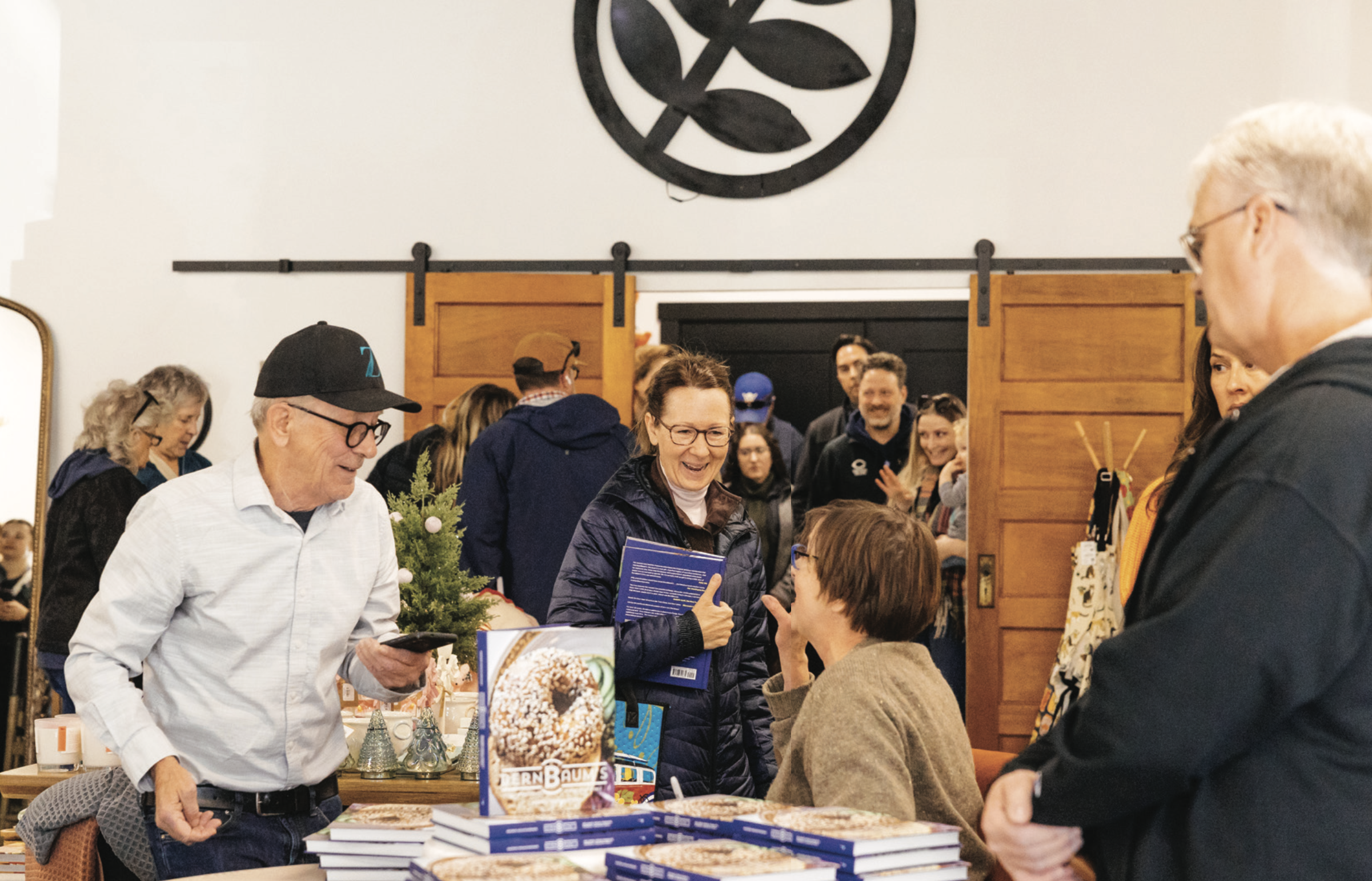
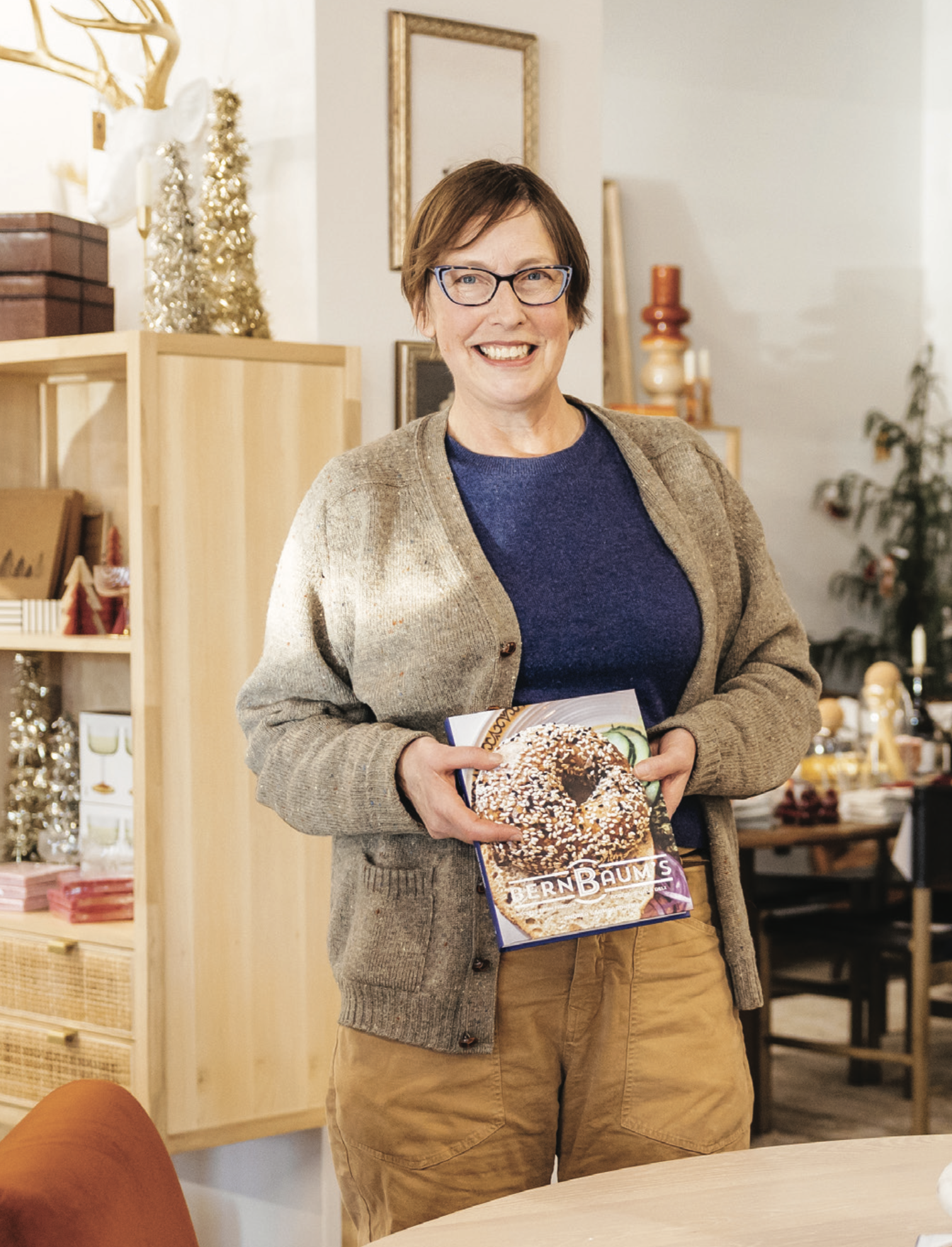
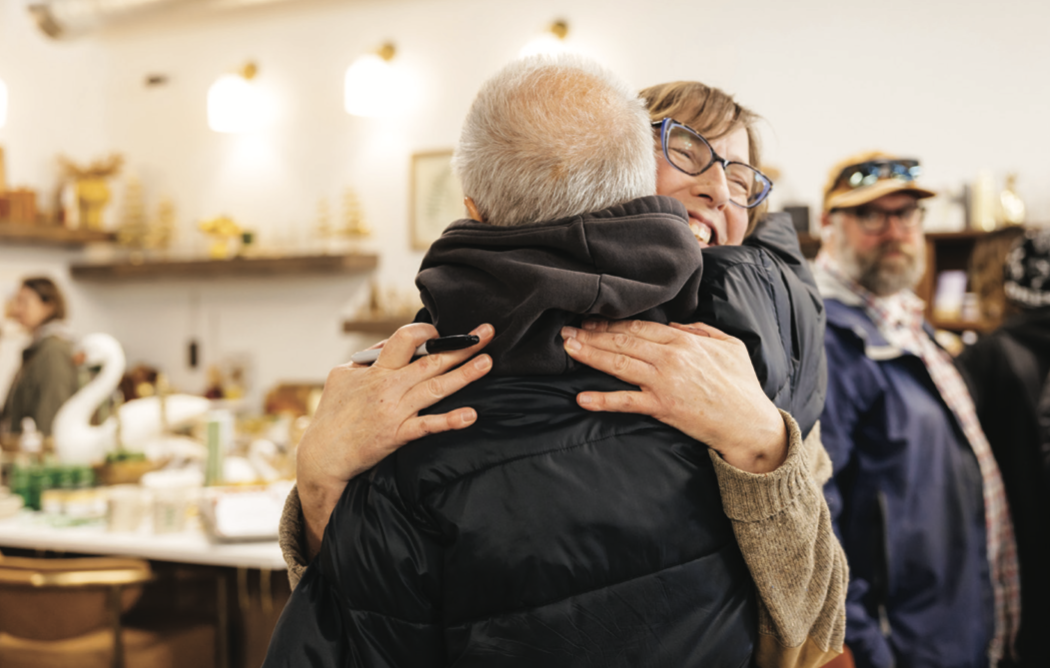
Meet & Eat The first book-signing event on November 15 was at Olive & Rust, a unique home décor and furniture store at the edge of downtown Fargo. This boutique was a natural fit, with the owners, Melissa and Russ Kuntz, hosting the event amid a well-curated setting of midcentury modern furnishings, Nordic decor, and handcrafted kitchen necessities inspired by their own decades of travel. As expected, several hundred excited patrons showed up to meet or reunite with Andrea while snagging one or more of the signed pre-sales.
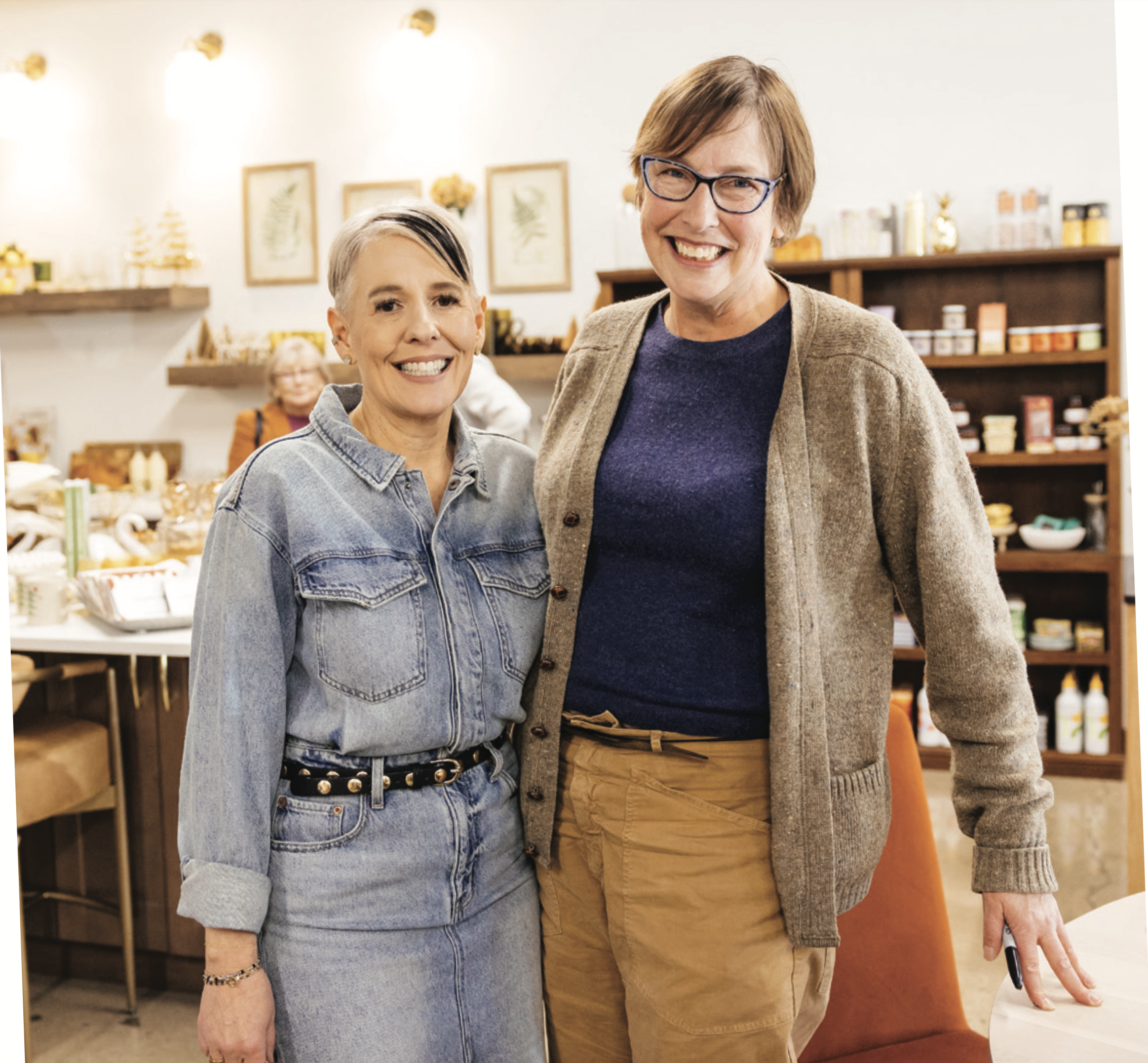
Melissa Kuntz, Olive & Rust Owner (left) with Chef Andrea Baumgardner (right)
Away from the kitchen for the first time since the early 90s, life is a lot less chaotic, primarily spending her days with family, as a restaurant consultant, and preparing for upcoming collaborations and author events.
Andrea has earned her moment in the spotlight, successfully surviving and thriving in an industry that is notoriously demanding — not just of time, but of personal lives, health, finances, and relationships. For both Andrea and Brett, their journey has been a labor of love decades in the making, winning over both local and national food critics, including the New York Times and Food & Wine.

Bon Appétit
Andrea attended Fargo South High School before earning her bachelor’s degree in French Studies at Macalester College in St. Paul, which included a year in Spain and the south of France — a turning point in her relationship with food.
“France is where I really started eating,” said Baumgardner. “Food was such a distinct part of their culture — it’s not special, it’s just part of their everyday life. At the time, I didn’t know anything about professional cooking, but it was exotic to me. I love cooking, but I really love eating.”
Upon returning to the U.S., Andrea enrolled at San Francisco’s California Culinary Academy. In 2003, she returned to Fargo as executive chef at The Hotel Donaldson. Three years later, she founded Green Market Kitchen and Green Market Catering, which was in business for seven years. While their style of cooking varied between Jewish and Nordic favorites, their cultures found common ground with a love of smoked fish and meats, pickles, potatoes, rye, and cultured cream.
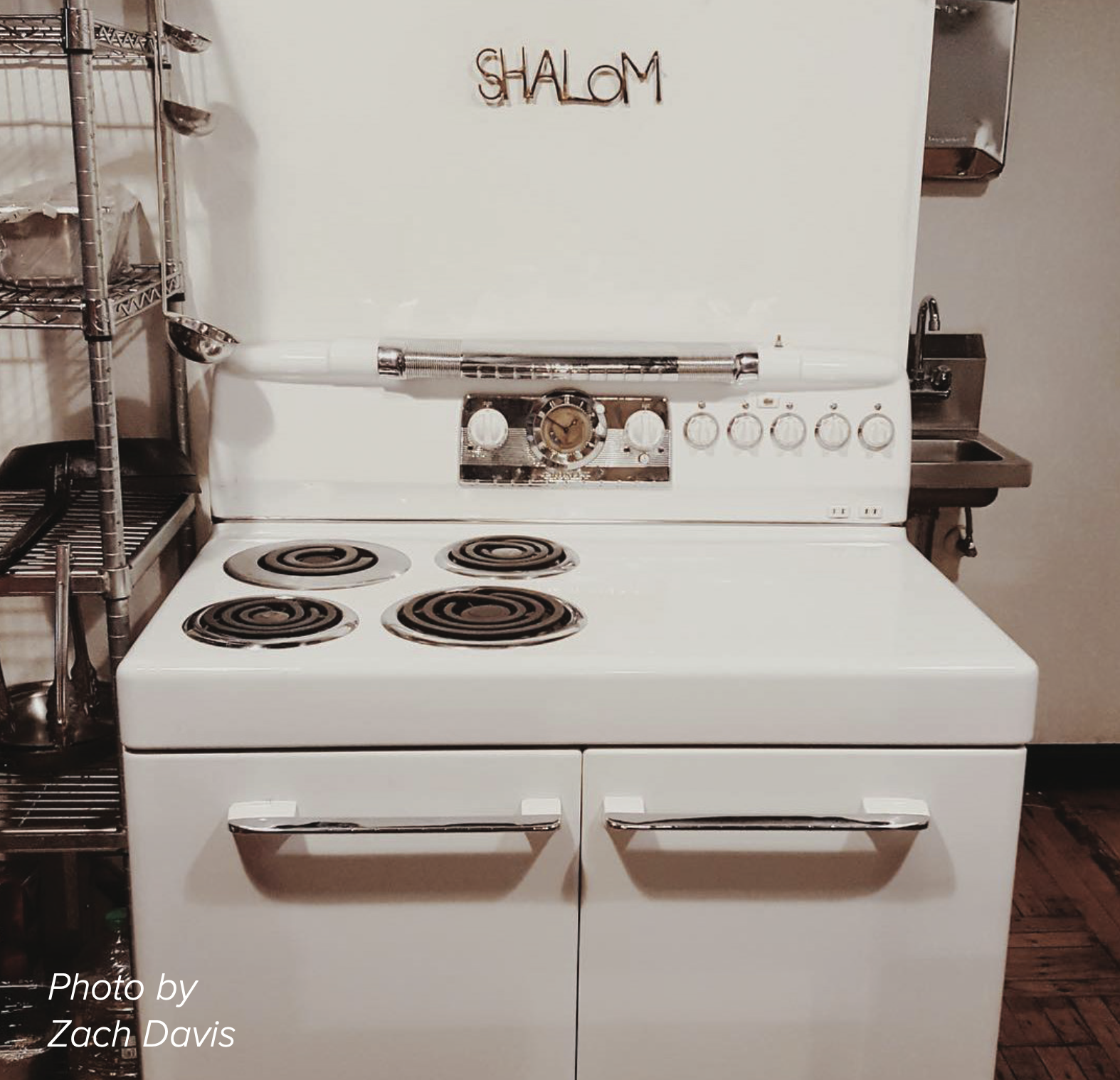
After Brett founded Mid Mod Madhaus on Roberts Street in 2013, Andrea and Brett opened BernBaum’s three years later, setting up the kitchen within a small corner of the midcentury modern furniture store. Here, one could purchase a spectacular midcentury credenza and a perfectly blistered bagel simultaneously.
Roberts Street
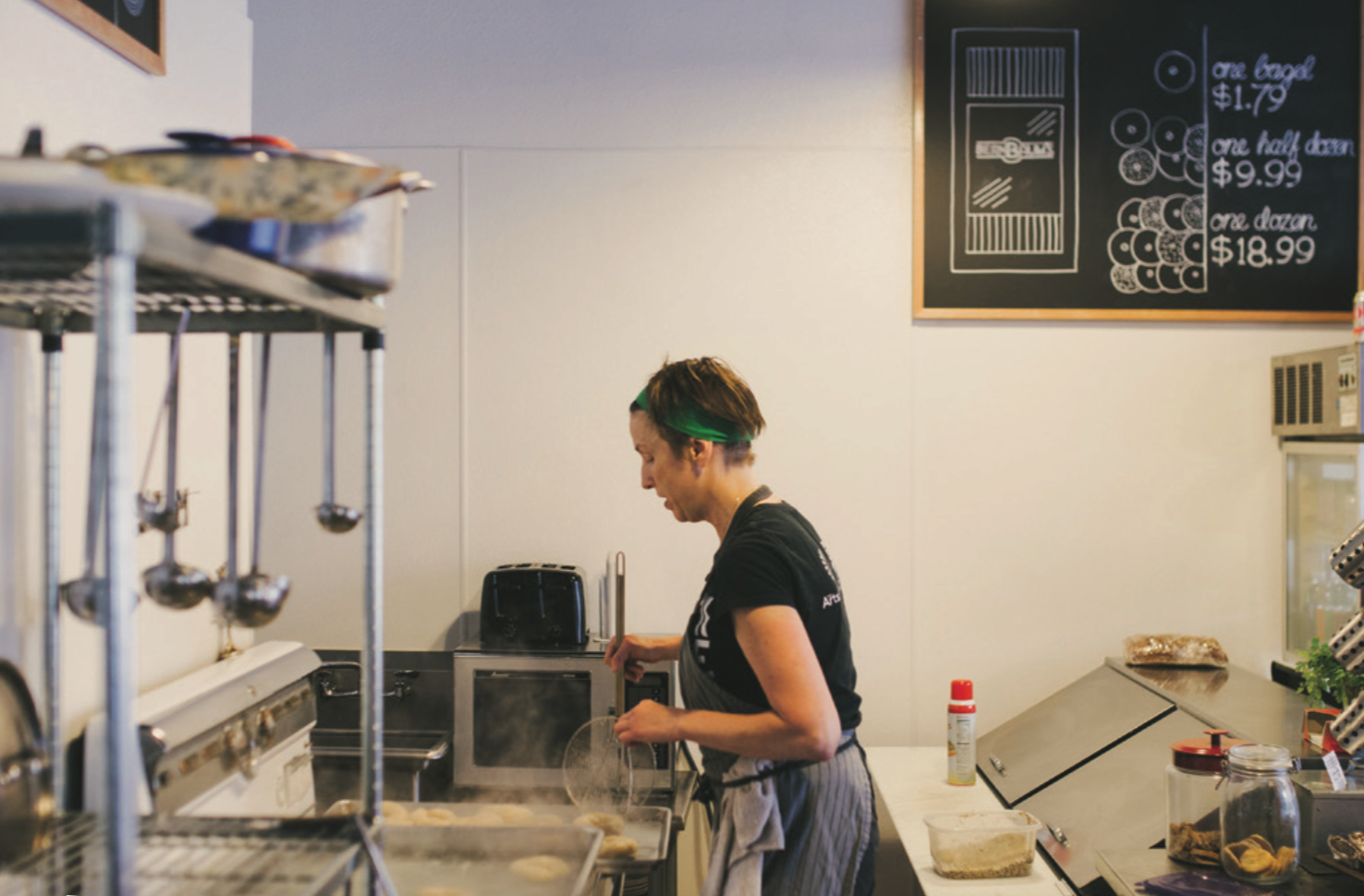
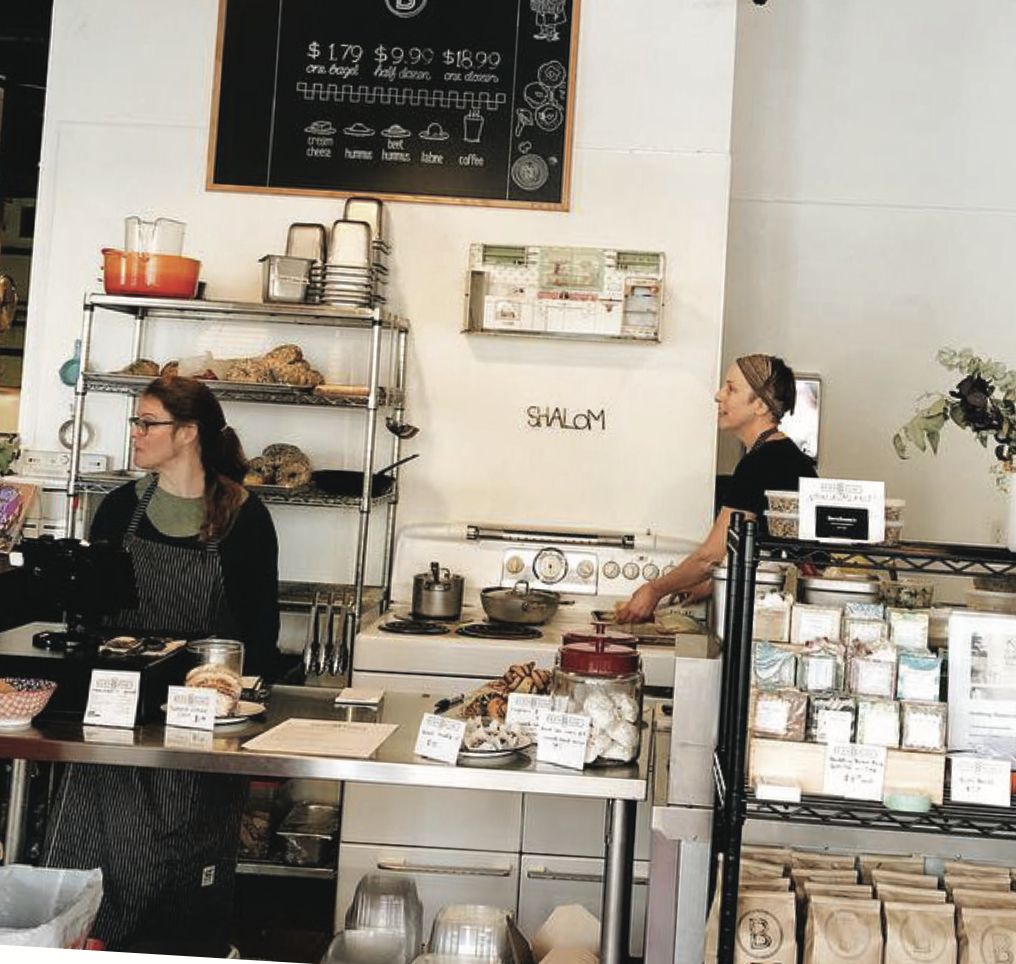
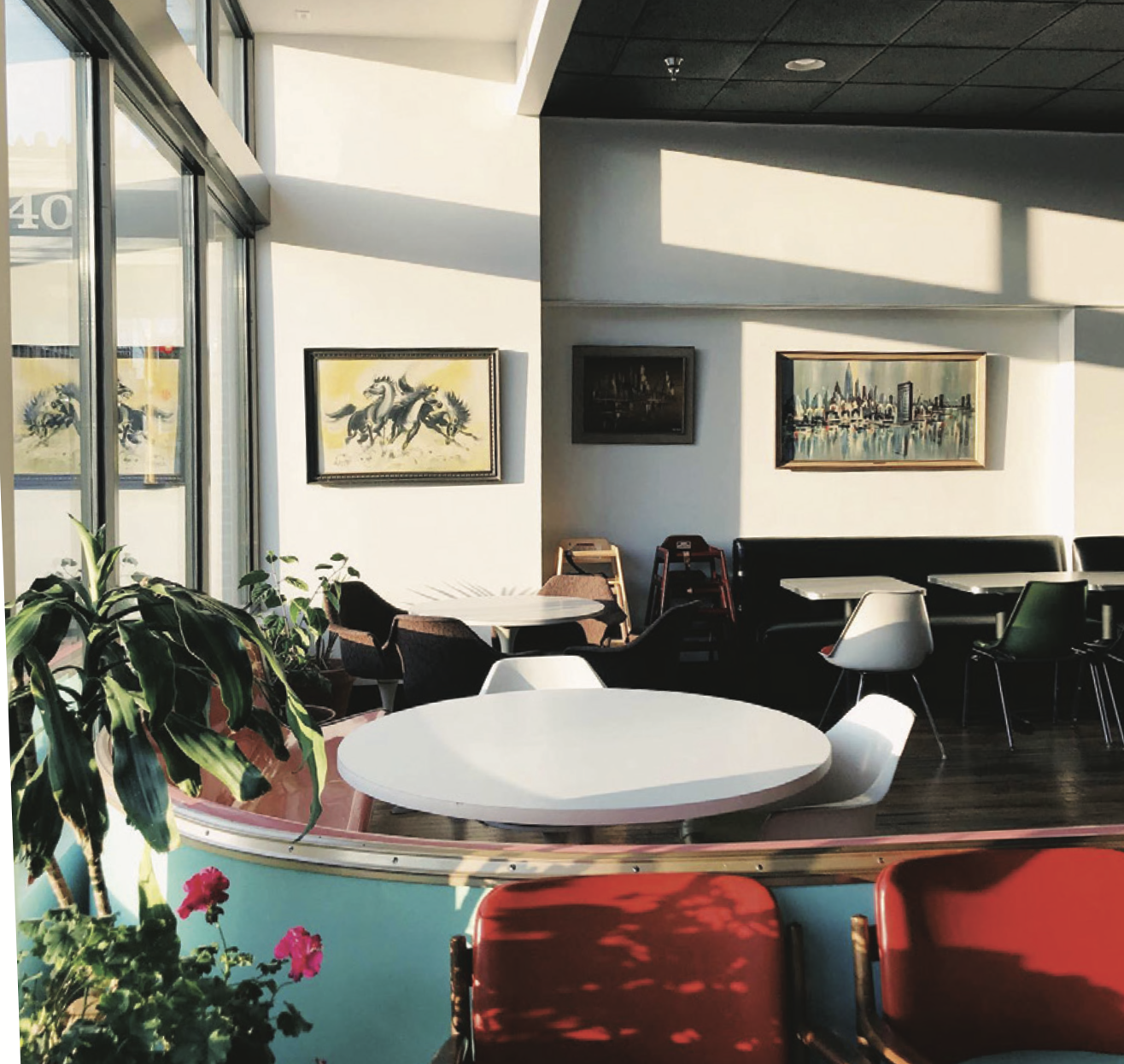
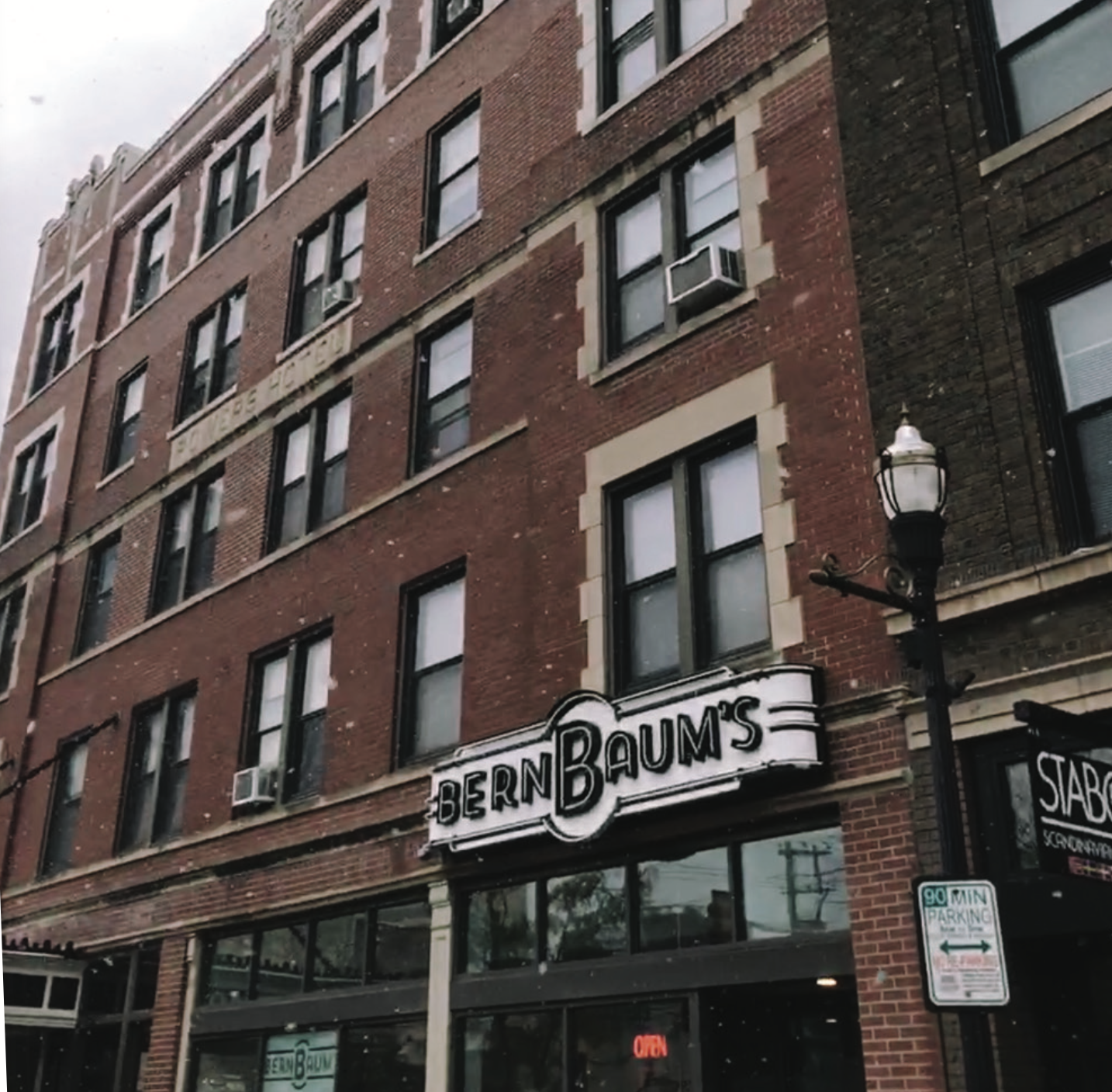
As restaurant patronage and popularity grew beyond the tiny deli’s 17 seats and vintage electric stove, Brett closed Madhaus, and the two and their team moved BernBaum’s and its mod nostalgia to 402 Broadway, remodeling a space within the historic Powers Hotel, where Peggy Lee performed in the 30s.
Eight-and-a-half brilliant years later, the deli’s abrupt ending felt like a loss — less like a restaurant closing and more like a beloved community gathering place gone dark. “Small businesses rely on loyal customers, and we were lucky that we had really great people who were willing to eat there often enough so that we stayed in business until we decided to close,” said Baumgardner. “That’s a lucky experience in the restaurant business.” Other hard-earned luck at BernBaum’s came in the form of Andrea’s two nominations (2020, 2024) for a prestigious James Beard Award, Best Chef Midwest.
Broadway
A Capstone Cookbook
As the doors of BernBaum’s closed, another door opened, giving Andrea the time and energy she needed to complete a passion project that had been in the works for years — her first and only cookbook, BernBaum’s: Recipes from Fargo’s Nordic- Jewish Deli.
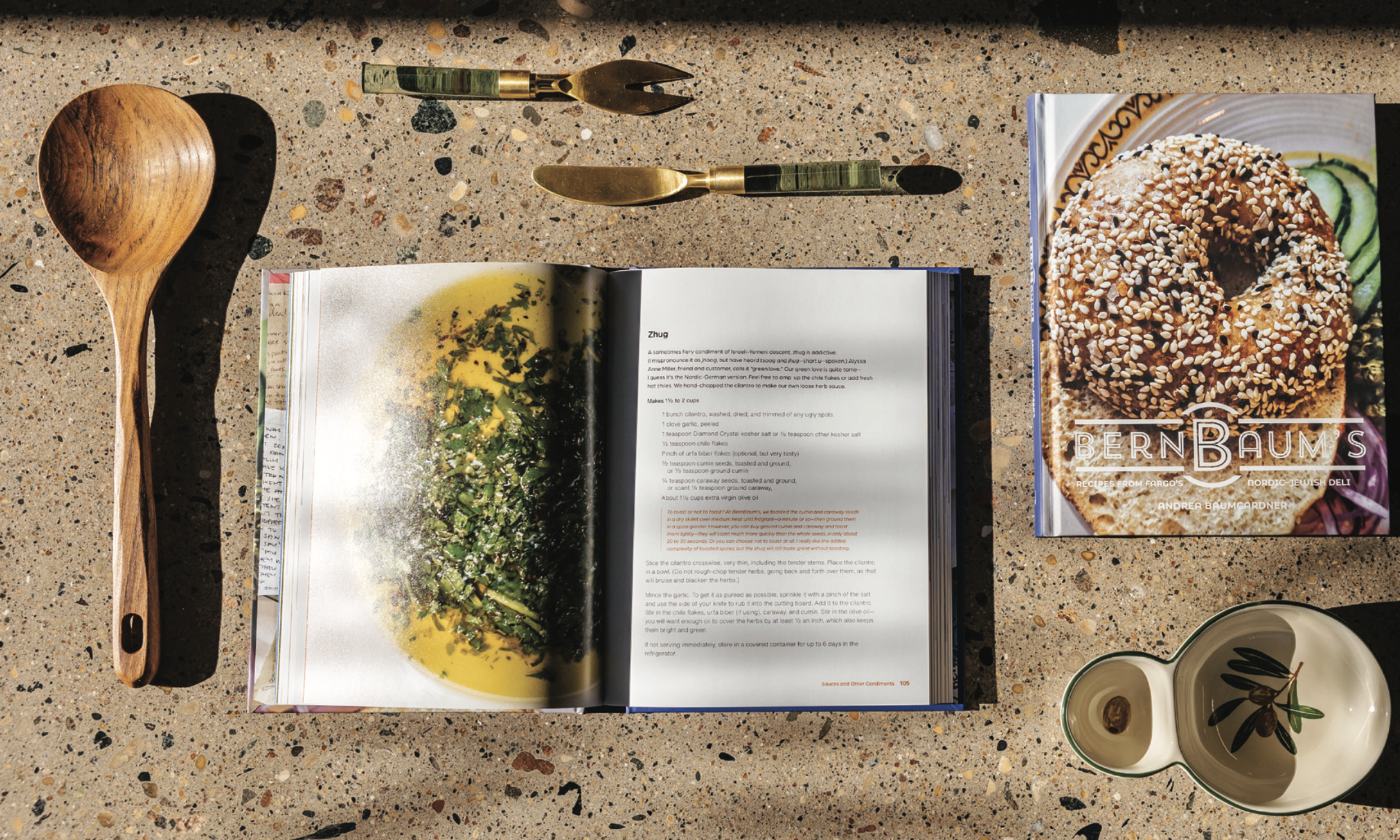
BernBaum’s, which merged the surnames of Bernath and Baumgardner, was always about capturing and sharing generations of beloved cultural traditions from Brett’s Jewish family and Andrea’s Icelandic-German family. It was also a culmination of culinary experiences and destinations — from Andrea’s high school job at Fargo’s historic Leeby’s deli to The Hotel Donaldson, Green Market, San Francisco, Los Angeles, Spain, New York, and the South of France, to name a few.
Andrea began chipping away at the cookbook nearly five years earlier at the urging of her sisters, Jennifer and Jessica Baumgardner. Jennifer is a writer, editor, and publisher in New York City and a visiting scholar at Smith College. Jessica, an accomplished writer and former New York magazine editor who lives in Los Angeles.
“I worked on the manuscript with my sisters on and off, so it was a very back-burner project until we closed BernBaum’s. By that time, the manuscript was 80 to 90 percent done, and then it became more of a closing or capstone project,” explained Baumgardner. “It was an opportunity to work together, and you don’t get a lot of opportunities to do those things with family.”
The trio also worked closely with art director Drew Stevens and Sarah Strong, who managed BernBaum’s social media and photography. The photos in the cookbook are a compilation of Sarah’s social media images, retakes, and those of another talented photographer, Zach Davis.
Once all 80 recipes were chosen, 25 locals were given the opportunity to test out the recipes and offer detailed notes — all part of the lengthy copyediting process.
This isn’t your ordinary cookbook, as Andrea explained in its pages, “It’s an archive—a record of time, place, and its cast of characters.” Her most beloved characters include Amma Cindy, Grandma Effie, Grandma Gladys, Grandpa Skuli, and Amy Rice, BernBaum’s first employee. She also highlights visits from fellow chefs and local food suppliers, like Noreen Thomas of Doubting Thomas Farms.
From Their Families to Yours
With a scroll through the cookbook, you’ll find that BernBaum’s was famous for a lot of things, but most would say it started with the New York-style bagels — a carryover from Brett’s background and his brunch vision for the Green Market.

“The bagels are definitely something that, to this day, I enjoy making,” said Baumgardner — even though she initially hesitated to include them in the book due to the day-and-a-half process. “Both of my sisters told me I was crazy — of course, people would want to make them. And how can there be a BernBaum’s cookbook without bagels?”
“For a town that has a really small Jewish population, it was fascinating to me that chicken matzo ball soup, latkes, and bagels were immediately understood and cherished by the people who live here; people got it,” said Baumgardner. “That’s what I love about food — it communicates, and I’m so glad people felt nourished by it.”
Beyond bagels, Andrea’s chicken salad was a Fargo favorite, now up for grabs on page 127. This adaptation of a Turkish recipe is one Andrea learned from family friend, Sarah Hanhan, marrying the flavors of ground walnuts, savory spices, and Circassian chicken. Another favorite is the latkes and brisket, which can be found on page 157. This is a type of Jewish poutine with a fried potato base, brisket bits, and caramelized onions.
“Something about the book
and something about the
place, I always felt like it had a
life of its own.”
Craving something sweeter, try the rugelach, a pastry staple at Jewish lunch counters — made with a rich pastry dough and filled with variations of chocolate hazelnut or fig walnut.
In her cookbook, you’ll find a lot of these regulars, with a few of what Andrea calls ‘irregulars,’ fusion recipes relating more to her German-Icelandic heritage and Midwestern upbringing versus Brett’s Jewish heritage. These come directly from the family tree, including her grandma’s carrot relish and her aunt’s potato buns — both from her dad’s branches.

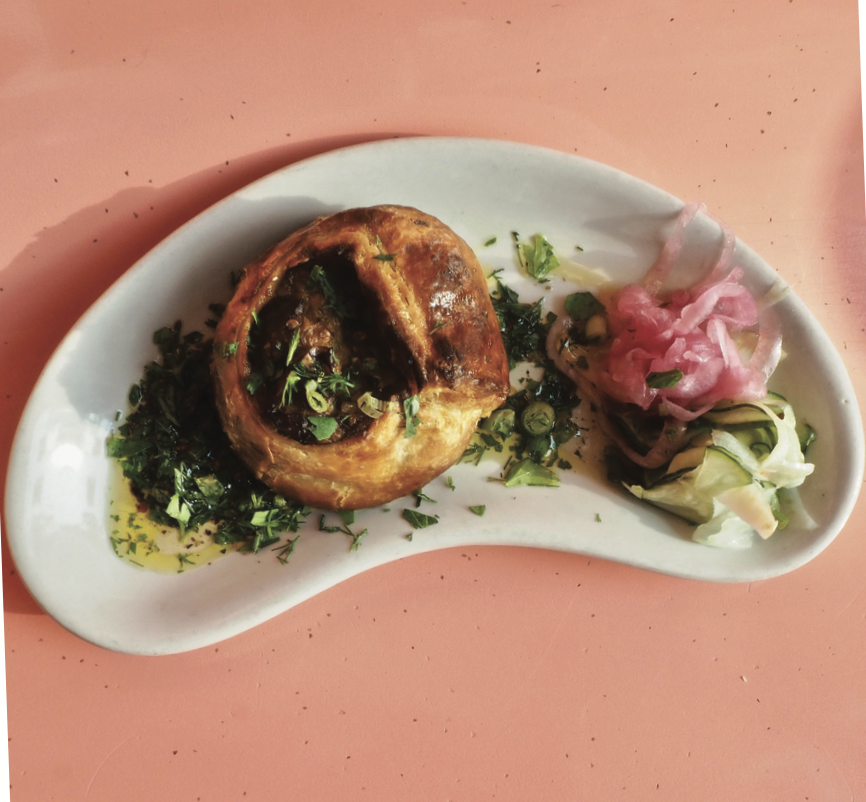
“The potato buns are a touchstone recipe for me, but I’ve only made them a few times for events at BernBaum’s,” said Baumgardner. Kleinur, another carryover from Green Market, is an Icelandic cardamom-scented donut she makes for special events or holidays. The vegan Reuben, with its sourdough rye bread, cashew cheese, roasted beets, and smoked carrot ribbons, found fans across the board and beyond vegans.
“Obviously, if anyone’s interested in Jewish and Midwestern cooking, I think it’s a good cookbook. It’s not difficult — there are a lot of easy things to cook in there,” said Baumgardner. “The bread chapter probably has the most complex recipes. I just hope that people enjoy it.”
For Andrea’s filled blintzes, an Eastern European Jewish dish, she uses the recipe for pönnukökur, which is an Icelandic crêpe. “I used my mom’s version of her grandmother’s recipe,” she explained. “They proved to be a way better blintz crêpe.”
Blintzes, but first…

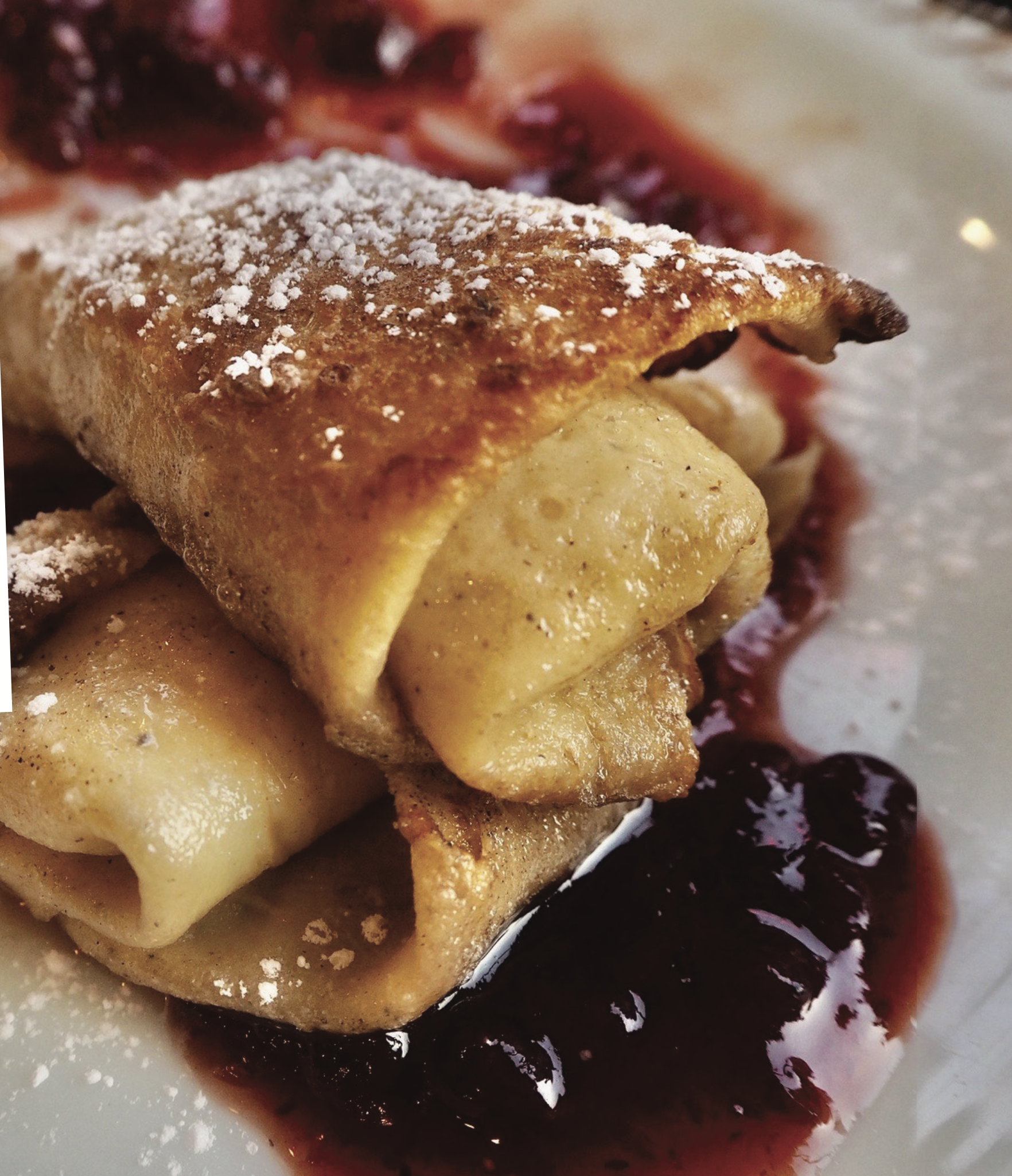
Amma Cindy’s Pönnukökur
These Icelandic crêpes formed the base of our Blintzes, and worked better than a traditional crêpe, in my opinion.
My mother (aka Amma Cindy) combined her mother’s and grandmother’s recipes to come up with this perfect one. You can make these to fill and fry as Blintzes, but they are tremendous on their own with a bit of lingonberry jam and whipped Crème Fraîche or Sweet Skyr folded inside.
Makes 12 to 15 crêpes
• 2 large eggs
• 1 cup whole milk
• ½ cup heavy cream
• 1 teaspoon vanilla extract
• 2 tablespoons granulated sugar
• 1 ¼ cups all-purpose flour
• ¼ teaspoon baking powder
• ½ teaspoon ground cardamom
• ½ teaspoon ground or freshly grated nutmeg (Freshly grated on a Microplane is preferable)
• 1 teaspoon Diamond Crystal kosher salt or ½ teaspoon other kosher salt
• Unsalted butter, for frying (I use a butter stick that is still half- wrapped; the wrapping makes a hand hold)
1. In a large bowl, whisk the eggs to break the yolks. Whisk in the milk, cream, and vanilla, ensuring they are completely mixed in. You can also mix with a stick blender. Or combine everything in a blender jar, cover, and pulse until well blended.
2. Sift the sugar, flour, baking powder, cardamom, and nutmeg into another bowl. Whisk in the kosher salt.
3. Mixing by hand or stick blender: Slowly pour the dry ingredients into the wet while whisking or blending. Mixing in a blender: Add the dry ingredients to the blender jar and pulse to mix. Stop the blender and scrape down the sides of the jar so nothing dry remains.
4. Cover and refrigerate the batter for at least an hour or up to 3 days ahead.
5. Heat your pan over medium-high heat. Spread a thin film of butter over the surface. (I hold a half-wrapped butter stick by the wrapper and swirl the end of the stick around the hot pan for exactly the right amount.) If the pan is hot enough, the butter will foam immediately. Ladle in ¼ cup batter (a 2-ounce scoop) while tipping the pan to create an evenly thin layer that reaches the rim of the pan. Cook until the batter looks set, 30 to 90 seconds, depending on the heat of the stove. Flip with a fish spatula. Cook the second side for 10 to 20 seconds. Both sides should have browned spots throughout.
6. Remove and stack on a plate, separating the crêpes with wax paper. Rebutter the pan between crêpes and keep frying until you have used up all the batter. Serve immediately, plain or filled as suggested. Or let them cool and store at room temperature in a resealable plastic bag to use the same day to make Blintzes. I don’t recommend refrigerating or freezing pönnukökur—they lose much of their considerable charm.
7. A pönnukökur pan is a flat, round pan with a shallow lip. You can get one at an Icelandic import store. If you don’t have one, use a large crêpe pan or 10-inch nonstick skillet.
Blintz Filling
If you are using Pönnukökur as the base, I recommend that you fill them before refrigerating; the crêpes become less pliable when refrigerated. You can serve these as a side or dessert for 6 or a meal for 4, albeit not too nutritionally balanced. We served these with a dollop of lingonberry preserves, but any kind will work. Fresh fruit would be lovely, too.
Makes 2 cups filling and 12 to 15 blintzes.
• 1 heaping cup cottage cheese
• 1 ¼ packages (10 ounces total) cream cheese, room temperature
• ₁⁄₃ cup granulated sugar
• Grated zest of 1 lemon
• 1 large egg yolk
• ½ teaspoon vanilla extract
1. Mixing by machine: Blend the cottage cheese in a food processor or in a jar blender until smooth. Add the cream cheese, sugar, lemon zest, egg yolk, and vanilla and pulse until evenly mixed. Mixing by hand: Press the cottage cheese through a sieve into a bowl, then stir in the cream cheese, sugar, lemon zest, egg yolk, and vanilla. Or most easily, just whisk all the ingredients together until they are completely mixed.
2. Use immediately or refrigerate in a covered container for up to 4 days. Do not freeze.
Blintzes
• 1 batch Pönnukökur, or 12 to 15 crêpes (10-inch diameter)
• 1 batch Blintz Filling
• 8 tablespoons (1 stick) unsalted butter, cut into 4 chunks
• 1 cup lingonberry or other preserve (optional)
• Powdered sugar, for serving (optional)
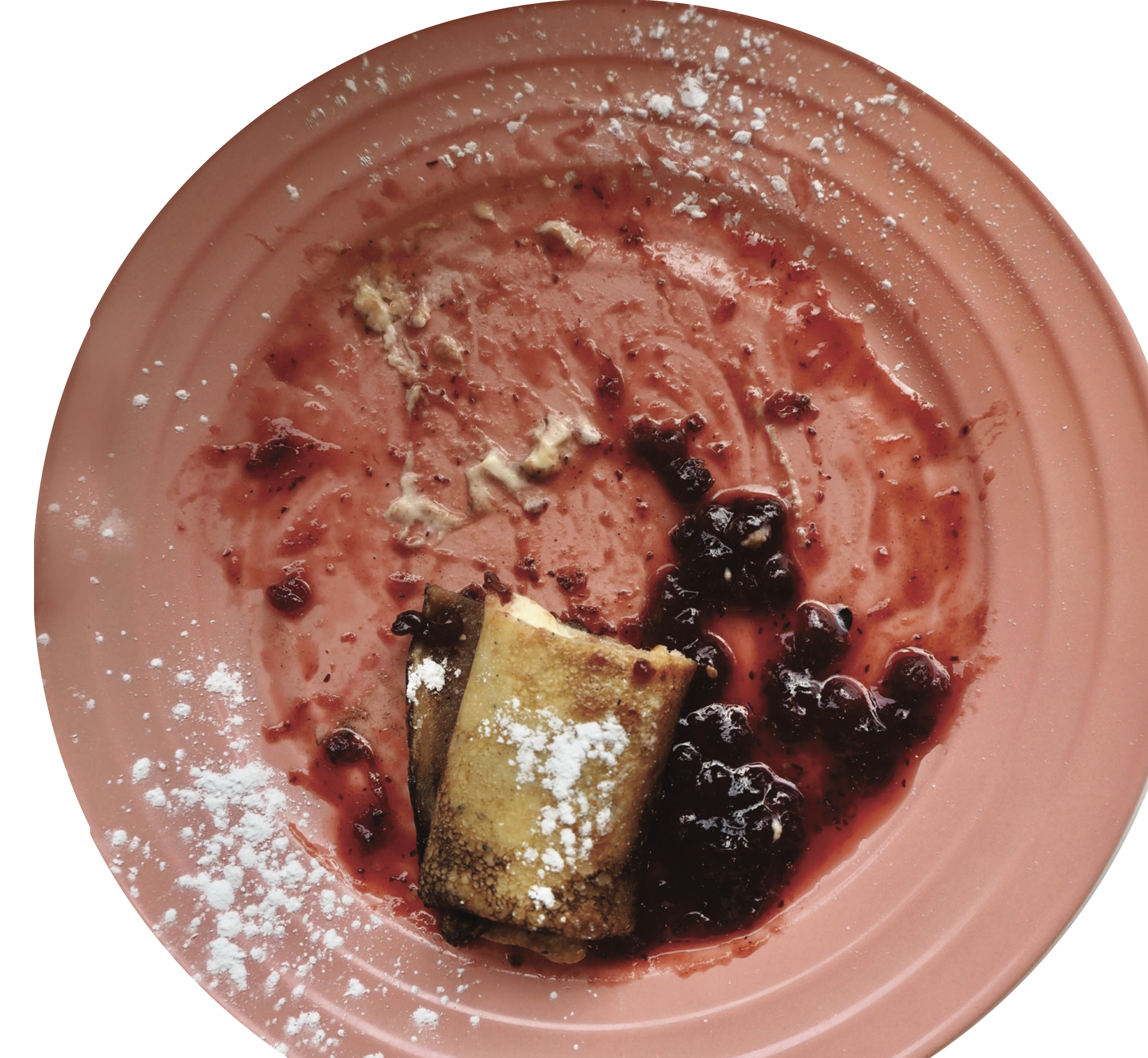
1. Place a pönnukökur on a clean counter or board. Spoon a large tablespoon of filling across the bottom center. Fold the bottom edge up and over the filling to spread it 3 inches across, leaving an inch or so at each side. Fold in each side over the filling, then roll it up from bottom to top—in other words, roll it like a burrito. Repeat with the remaining pönnukökur and filling. If not cooking and serving immediately, layer them, separated with wax paper, in a covered container and refrigerate for up to 4 days.
2. Heat a frying pan over medium heat. Add a chunk of butter—if the pan is at the right heat, the butter will melt and foam almost immediately. Add up to 4 blintzes and fry until golden on the bottom, about 2 minutes. Use a fish spatula to turn them over, and fry the other side. Remove from heat and serve immediately, sprinkled lightly with powdered sugar or topped with preserves. To serve later, lay the fried blintzes on a baking sheet, cover lightly, and hold at room temperature for up to 30 minutes.
3. Reheat uncovered in the oven at 350°F for 3 to 5 minutes, until heated through.
“The experience
of BernBaum’s
wasn’t really our
doing, it was sort
of everyone’s.”
Their Place
To many in the region, BernBaum’s wasn’t just another restaurant; it was their place and a way to savor their family’s tradition. Andrea’s cookbook brings loved ones near and far together one last time around the table — a final course, with a Midwest goodbye that keeps giving.
“Something about the book and something about the place, I always felt like it had a life of its own. Yes, we opened it, and yes, several people cooked and served there every day, but it was definitely animated by the people who chose to spend time there, eat there, and take it as their own,” said Baumgardner. “The experience of BernBaum’s wasn’t only our doing; it was everyone’s. This is a snapshot of a small restaurant in a small city in the Midwest, both ordinary and original, thanks to our community within and surrounding the restaurant.”
It’s also proof that an award- winning Nordic-Jewish deli really did exist in Fargo, ND.
Buy the Book!
In the Fargo-Moorhead area? Find the cookbook, priced at $49.95, at Fargo’s Olive & Rust, Stabo, Creative Kitchen, and other local boutiques.
Secure a copy online by visiting Jennifer Baumgardner’s publishing company at: DottirPress.com